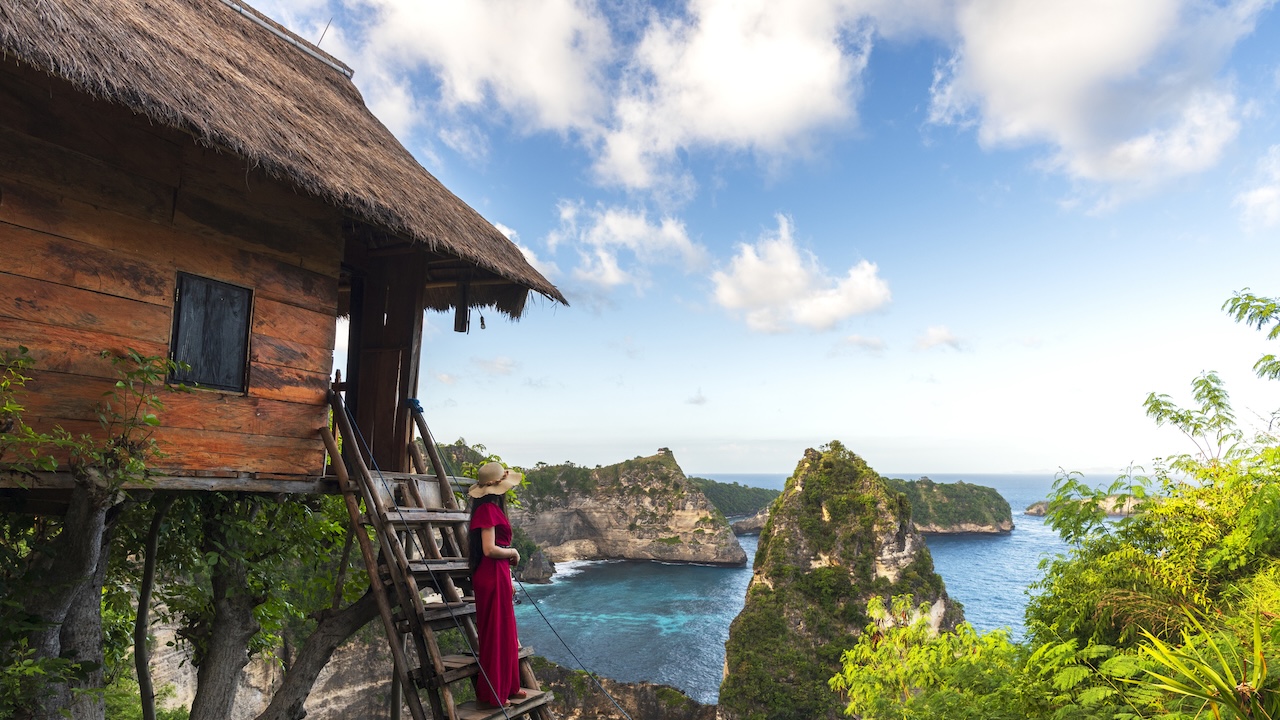
BIMP-EAGA seeks to spur growth in remote and less developed areas through community-based tourism while promoting environmental sustainability. Photo credit: iStock/Paolo Graziosi.
Nkotsi Village in Rwanda may be on a different continent from the kampungs and barangays of BIMP-EAGA, but it offers a valuable lesson: when communities take the lead in developing tourism, it can drive rural development and community well-being.
This aligns with BIMP-EAGA’s strategy to spur growth in remote and less developed areas through community-based tourism while promoting environmental sustainability. Under BIMP-EAGA Vision 2025, the subregion has established 29 community-based ecotourism sites that are aligned with the ASEAN Community-Based Tourism Standard.
The village in Rwanda was among those recognized under the Best Tourism Village initiative organized by UN Tourism in 2021. The initiative was launched to advance the role of tourism in safeguarding rural villages, along with their landscapes, natural and cultural diversity, and their local values and activities, including local gastronomy.
A report from UN Tourism documenting good practices of winning villages said Nkotsi’s community-led model connects cultural heritage, ecotourism, and participatory governance to better livelihoods, conservation, and inclusive growth.
With support from nonprofit organization Red Rocks Rwanda, the community co-designed and managed tourism experiences, such as cultural festivals, ecotours, homestays, and artisan workshops. These activities took advantage of local skills in craft-making, farming, music, and gastronomy, which kept costs low while strengthening social cohesion.
According to Lonely Planet, cultural activities in the village include learning to brew banana beer, village walks, beekeeping, drumming lessons, and learning about traditional medicine. Fees for joining the activities range from $10 to $30. Some activities, like basket-weaving demonstrations, are free.
Keeping tourism benefits within the village
The UN Tourism report said the community-led approach directly contributed to visitor growth as annual participants in Nkotsi-based experiences increased from roughly 500 in 2010 to more than 5,000 by 2024, a 40% increase since the village received the UN Tourism recognition in 2021. Visitors also stayed longer, with the average visit lasting 3 to 4 days compared with 1 to 2 days previously.
There was also a 25% to 30% increase in on-site visitor spending, which the report said illustrated how diversified, community-generated activities deepen engagement and increase per-capita economic returns.
The strategy created more than 100 direct jobs, nearly 70% held by women and young people. The village also reported the creation of 50 microbusinesses, a 35% increase in household incomes, and estimated annual local revenues of $500,000 by 2024. “The case illustrates how community participation can help keep tourism benefits within the village,” said the report.
Before tourism development, Nkotsi residents faced poverty, earning low and unstable income from subsistence farming on small plots. Young people had few job opportunities apart from farming, contributing to pressure to migrate to find work.
The report also noted that unsustainable agriculture practices, including intensive farming and fuel wood collection, placed pressure on ecosystems around the nearby Volcanoes National Park. Residents also had limited awareness of how conservation and sustainable resource use could be linked to improved livelihoods.
To address these challenges, Red Rocks Rwanda organized training and skills development for women and young people. More than 200 people received training in guiding tourists, craft making, and related skills, showing how hands-on, culturally relevant training with minimal technical barriers can broaden participation even among those with limited formal education.
With more job opportunities, the village was able to reduce youth unemployment from 40% to 15% in participating households, while youth outmigration declined by 25%.
The strategy also delivered high-quality visitor experience, with the village receiving high satisfaction scores from tourists as 95% of reviews emphasized authentic cultural immersion and community engagement. There is also a 15% increase in repeat visits since 2024.
“The Red Rocks Rwanda experience shows that community ownership and participatory development are central to making tourism both socially inclusive and environmentally responsible,” the report said.
Delivering meaningful benefits
According to the UN Tourism report, Sehwa, Jeju Island in the Republic of Korea and Miyama in Japan also demonstrated the power of community participation in ensuring rural tourism delivers meaningful benefits to residents.
Sehwa built community consensus to design tourism so that its benefits circulate within the village. Faced with population decline, an aging resident base, and the loss of traditional women (haenyeo) free-divers, the village created a cooperative founded by 477 members, who initially invested $186,000.
Through workshops and open assemblies, original residents, migrants, haenyeo representatives, youth, and women’s groups agreed on priorities: protect core cultural assets, build on existing resources, avoid speculative development, and invest in local people.
The cooperative leveraged on the island’s intangible assets: the free-divers and the batdam, the 1,000-year-old stone walls that protect crops from wind and soil loss. It created high-quality experiences without diluting local identity.
Sehwa also repurposed a welfare center into a community hub, providing space for training, community activities, and tourism services.
According to the report, visitor numbers rose to 41,978 in 2024 from 534 in 2021, while cooperative revenue increased by 542%, with profits reinvested in local facilities and tourism services.
Similarly, Miyama’s tourism model was community-led. The core strategy was to create tourism employment by turning household routines, farming cycles, and cultural practices into structured, paid experiences that attract international school groups throughout the year. The village is known for its traditional village atmosphere and, for centuries, provided a peaceful mountain retreat from nearby Kyoto.
The community-led educational farm-stay program addressed seasonal fluctuations in tourism and the unstable employment they create for rural residents.
The UN Tourism report said about 70% of program revenue returns directly to the community, with the program welcoming 1,042 international students in 2024, up from 168 in 2015.
BIMP-EAGA model
Batu Puteh in Sabah offers an example of community-based tourism in BIMP-EAGA. The village was also recognized by UN Tourism under its Best Tourism Village initiative in 2021.
Located in the Lower Kinabatangan River in Northeast Borneo, Batu Puteh boasts highly diverse ecosystems. Its freshwater swamp forest and rainforest are home to diverse wildlife, such as monkeys, hornbills, birds, and elephants.
Community participation was central to the village’s tourism strategy. Residents worked together to protect wildlife and nature, implemented tourism quality standards and certification systems, and ensured locals directly participate in tourist activities.
Batu Puteh set up a homestay program to involve more residents in tourism. It also developed riverboat and forest guide services, a cultural and arts program, and an eco camp—all aimed at providing jobs to locals.